The Calm Shopper’s CBD Lexicon: Twelve UK Words That Make Browsing Easier
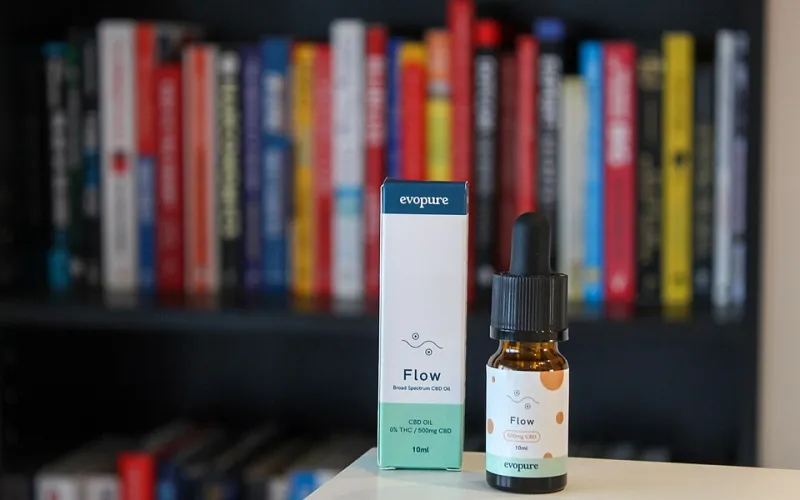
Photo: Evopure, CC BY-SA 2.0, via Wikimedia Commons
Walk into any UK CBD shop — online or on the high street — and you will meet a quiet blizzard of language. Full-spectrum. Broad-spectrum. Terpenes. COA. Novel foods. None of it is designed to confuse you, but it can feel that way when you are simply curious and trying to buy a sensible first bottle.
This is not a label-decoding guide. Think of it as a small vocabulary you can carry with you: twelve words that make browsing calmer, questions easier, and conversations with brands a little more grounded. You do not need to memorise them. Just knowing what they point to is enough to shop with more confidence.
1. CBD
CBD stands for cannabidiol. It is one of many cannabinoids found in hemp and cannabis plants. In UK wellness products, it is the ingredient you are usually looking for, and it is not the same as THC — the cannabinoid associated with the high. Calm, clear product pages should say exactly how much CBD is in a bottle and how much is in a serving.
2. Hemp
Hemp is a type of cannabis plant grown for fibre, seed and cannabinoids. In the UK CBD world, 'hemp-derived' usually means the CBD has been extracted from hemp plants rather than from cannabis grown for other purposes. It is a useful word, but it is not a guarantee of quality on its own. Look for clear sourcing and testing information.
3. Cannabinoid
A cannabinoid is a naturally occurring compound found in cannabis and hemp plants. CBD and THC are two well-known examples, but there are many others. You will often see the word used in phrases like 'minor cannabinoids' or 'cannabinoid profile'. It is simply a way of talking about what is in the extract.
4. Full-spectrum
Full-spectrum usually means the product contains a broad range of compounds from the plant, including CBD, other cannabinoids and terpenes. In the UK, full-spectrum products should still fall within legal THC limits, and reputable brands will publish test results. Some beginners like the idea of a fuller plant profile; others prefer to start simpler.
5. Broad-spectrum
Broad-spectrum sits somewhere between full-spectrum and isolate. It generally means a product contains several plant compounds but has had THC removed or reduced to trace levels. If you are curious about a more rounded extract but want to avoid THC altogether, this is a term worth asking about directly.
6. Isolate
CBD isolate is exactly what it sounds like: CBD on its own, separated from other plant compounds. It is often tasteless and odourless, and it can be easier to measure if you want a very simple starting point. It is not 'better' or 'worse' than a spectrum product — just different.
7. Terpenes
Terpenes are aromatic compounds found in plants, including hemp, citrus peel and lavender. They give products their scent and flavour, and they are part of the reason two CBD oils can smell quite different. In wellness writing, terpenes are often discussed alongside the plant's overall profile, but they are not a reason to ignore clear dosing and testing.
8. Carrier oil
A carrier oil is the oil that CBD is mixed into. In UK products, common examples include hemp seed oil, olive oil and MCT oil. The carrier affects taste, texture and how easy the oil is to use. If you are sensitive to certain oils or flavours, this is a practical word to check before buying.
9. COA
COA stands for Certificate of Analysis. It is a lab report that shows what has been tested in a batch, such as cannabinoid levels, THC content and sometimes contaminants. A good COA should match the product you are buying. You do not need to become a scientist to use one; simply check that it exists, is recent, and looks consistent with the label.
10. Novel foods list
In the UK, CBD products are regulated as novel foods. The Food Standards Agency maintains a list of products that can remain on sale while they move through the authorisation process. In 2026, this list is still a useful starting point for shoppers. It is not a personal recommendation, but it does help you ask whether a brand is engaging with the rules.
11. THC
THC is the cannabinoid most associated with the psychoactive high. UK CBD products are expected to contain only trace amounts, and quality brands publish THC results. If a product makes bold claims about being 'THC-free', ask to see the paperwork. Clear language and clear testing are more reassuring than a slogan.
12. Serving
A serving is the amount you choose to take at one time. It might be a few drops of oil, a capsule or a measured spoon of paste. Because products vary, the same number of drops can mean different amounts of CBD from bottle to bottle. Learn to read the serving size alongside the total CBD content, and start lower than you think you need.
Questions worth carrying with you
You do not need to interrogate every brand, but a few calm questions can tell you a lot. Does the product have a current COA? Is the CBD amount per bottle and per serving clear? Is the product on the FSA novel foods list? What carrier oil is used? And does the brand explain its sourcing without turning the page into a carnival?
A smaller, steadier vocabulary
The point of learning these words is not to become a CBD expert overnight. It is to make the shopping experience feel less like a test. Take one term at a time. Read a product page slowly. Ask one clear question. A calm beginner is not someone who knows everything; it is someone who knows what to look for next.
CBD affects people differently, and this article is general information rather than medical advice. If you take medication, are pregnant or breastfeeding, or have a health condition, speak to a healthcare professional before trying CBD.