The Maths on the Bottle: Working Out What Your CBD Really Costs Per Drop
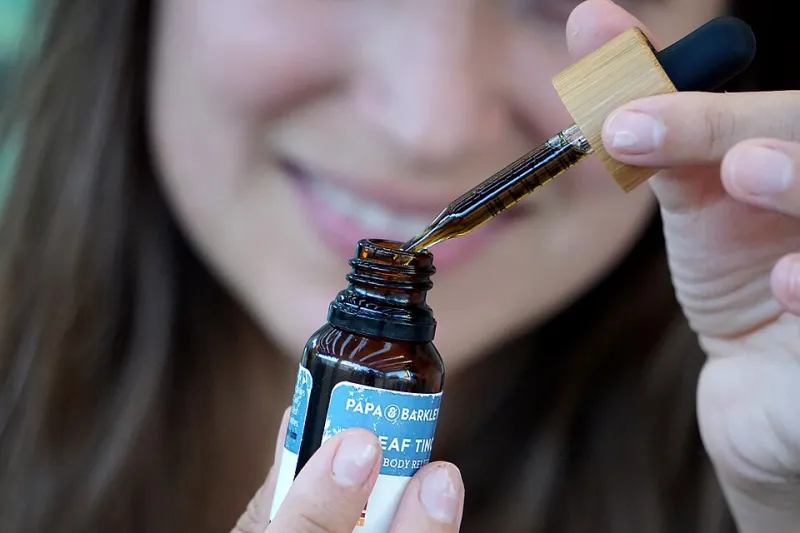
Photo: elsaolofsson, CC BY 2.0, via Wikimedia Commons
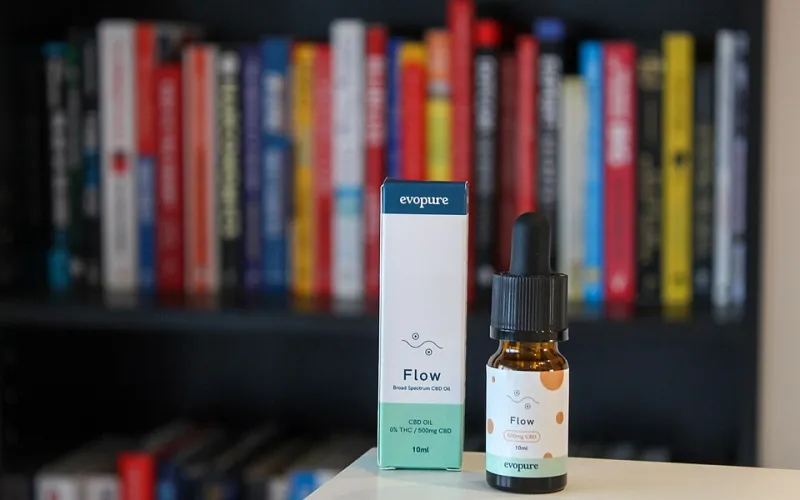
Walk into any UK stockist — high street, health food shop or the endless scroll of an online shop — and you'll meet the same trick of the eye. One bottle shouts 1000mg. Another says 500mg. The first costs £34.99, the second £19.99, and something in your brain quietly decides the bigger number must be the better buy. Sometimes it is. Often it isn't. The only way to know is to do a small amount of arithmetic, and the good news is that it takes about ninety seconds.
Start with the two numbers that actually matter
Ignore the front of the bottle for a moment and go straight to the small print. You are looking for two figures:
- Total CBD in milligrams (mg) — usually written as something like "1000mg CBD" or "10% CBD".
- Bottle volume in millilitres (ml) — commonly 10ml, 15ml or 30ml.
That's it. Everything else — the leaf illustrations, the words "premium" and "extra strength", the amber glass — is decoration until you have these two facts. A 10% oil in a 10ml bottle holds roughly 1000mg. A 5% oil in a 30ml bottle holds around 1500mg. Same-sounding labels, very different contents.
The one sum worth memorising
Once you have both numbers, you can work out cost per milligram:
Price ÷ total mg = pence per mg
Or, if you prefer thinking in value rather than cost:
Total mg ÷ price = milligrams per pound
Neither is more correct than the other. Pick the one your brain likes and stick with it, because consistency is what makes comparisons fair.
A worked example, using made-up bottles
Here are three fictional oils of the sort you might see side by side on a shelf. The numbers are illustrative only — the method is the point.
| Bottle | Total CBD | Volume | Price | Pence per mg | Mg per £1 |
|---|---|---|---|---|---|
| A | 500mg | 10ml | £19.99 | 4.0p | 25mg |
| B | 1000mg | 30ml | £39.99 | 4.0p | 25mg |
| C | 1000mg | 10ml | £54.99 | 5.5p | 18mg |
Bottle A and Bottle B land in the same place on value, even though one looks like the budget option and the other looks like the serious one. Bottle C, the most expensive bottle on the shelf, is also the poorest value per milligram. That happens more often than you'd think, because price tends to track branding as much as content.
Counting drops, if that's how you take it
Many people prefer to think in drops rather than milligrams, and that's a reasonable instinct. A standard dropper delivers roughly 0.05ml per drop, which means about 20 drops per millilitre. So:
- Bottle A: 500mg in 10ml = 50mg per ml = roughly 2.5mg per drop
- Bottle B: 1000mg in 30ml = 33mg per ml = roughly 1.7mg per drop
- Bottle C: 1000mg in 10ml = 100mg per ml = roughly 5mg per drop
This is where "cost per drop" gets genuinely useful. If your usual serving is four drops, you can price a month of use rather than a bottle. Divide the bottle price by the number of drops inside (ml × 20), then multiply by your typical daily number. Suddenly the £54.99 bottle and the £19.99 bottle can be compared on the same footing — how much it costs you to actually use the thing.
Where the pricing gets slippery
A few honest warnings, offered without alarm:
The headline number may not be the whole number. Some labels advertise the total hemp extract rather than the CBD content within it. Read the panel, not the front.
Strength and value are not the same thing. A very strong oil in a tiny bottle can work out more expensive per milligram than a gentler one in a larger bottle. Neither is automatically right for you — but know which you're buying.
Postage, subscriptions and multi-buy deals muddy the water. Add delivery to the price before you compare. A subscription that saves 15% but locks you into a monthly bottle is only a saving if you'd have bought it anyway.
Serving suggestions inflate expectations. If the label suggests a large daily serving, a bottle may last a fortnight rather than a month. Run the numbers on your own routine.
Lab reports cost money, and that's fine. A producer who publishes third-party testing is paying for something real. That can justify a higher pence-per-mg figure — it's part of what you're buying.
A calm little worksheet
Copy this into a notes app or onto the back of an envelope. Six lines, no jargon:
- Bottle name and shop
- Total CBD (mg)
- Volume (ml)
- Price including delivery (£)
- Pence per mg (price ÷ mg × 100)
- Drops in the bottle (ml × 20) and cost per drop (price ÷ drops)
Do this for three bottles you're considering. Put them in order. Then — and this is the part people skip — set the spreadsheet aside for a day and notice which one you actually want to try.
Cheaper isn't a verdict, and dearer isn't a guarantee
Here's the calm reminder that belongs at the end of all this arithmetic: cost per milligram tells you about value, not about suitability. A cheaper oil might suit you perfectly. A pricier one might taste better, feel gentler, or come from a producer whose testing you trust. Your body doesn't read price tags.
What the sums do give you is freedom from the packaging. Once you know your pence per milligram, you're no longer being sold to — you're choosing. And choosing, quietly and with the numbers in front of you, is a far more restful way to shop.