A Lighter First Measure: The Quiet Case for Starting CBD Smaller Than You Think

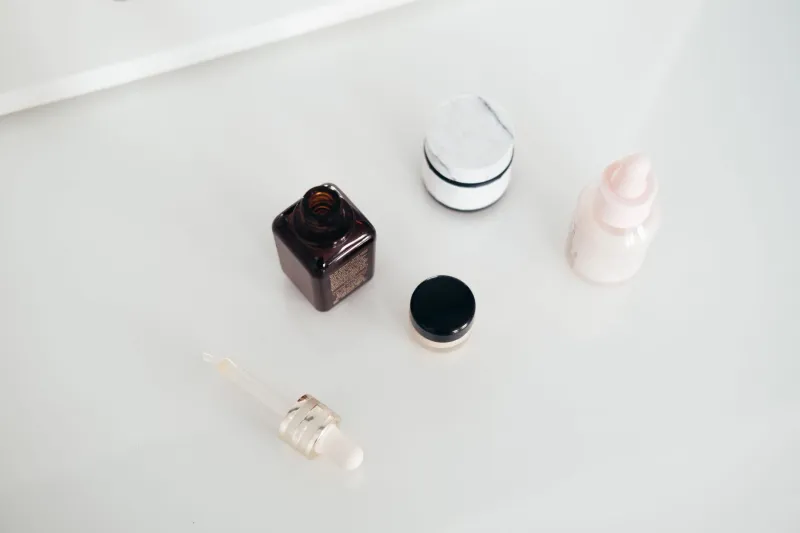
Photo: small CBD oil bottle with glass pipette on a kitchen table in soft morning light, UK home, calm lifestyle, via www.kittenvspuppy.com
There is a particular moment in early CBD browsing when the numbers start to feel like a scoreboard. A 500mg bottle here, a 1000mg bottle there, a label promising extra strength, and a quiet inner voice suggesting that more must surely mean better. It is an understandable instinct. In plenty of everyday situations, a larger portion does more of the job. CBD does not quite work like a stronger cup of coffee, though, and beginners tend to get a clearer picture by beginning with less, not more.
Why the bigger-dose instinct is so tempting
UK shop shelves and online listings are full of bold milligram figures. They are useful pieces of information, but they are not a ranking of what will suit you. CBD products vary in strength, carrier oil, bottle size and suggested serving. Your own experience can vary too, depending on things as ordinary as whether you have eaten, how tired you are and what time of day you take it.
A large first measure does not give you a better result so much as a muddier one. If you begin with a big serving and feel slightly odd, sleepy or simply unsure, you have no gentle baseline to compare it with. Starting lower is not a lack of commitment. It is a way of gathering a clearer signal.
Read the bottle before you read the room
Before thinking about drops or pipettes, spend a minute with the label. In the UK, a good CBD label should tell you the total amount of CBD in the bottle, the bottle size in millilitres, and the suggested serving size. You may also see the strength expressed as milligrams per millilitre.
The arithmetic is worth doing once. A 10ml bottle containing 1000mg of CBD works out at 100mg per millilitre. If the label suggests a 0.5ml serving, that is 50mg. On a lower-strength bottle, the same 0.5ml might contain far less. This is why comparing bottles by the big number alone can be misleading.
Check whether the label talks in drops, millilitres or pipette markings. A full pipette is not automatically one serving, and drop sizes can vary between bottles. The calm approach is to use the same bottle, the same pipette and the same measure each time, so you are comparing like with like.
The half-pipette habit, practically
A common beginner habit is to start with a smaller measure than the label's suggested serving, often around half a pipette, provided the product allows for that and you are not guessing wildly. Some people prefer to choose a lower-strength product and use the suggested serving exactly as written. Either way, the principle is the same: pick a small amount you can measure accurately and repeat without fuss.
Do not turn the kitchen into a laboratory. You do not need a spreadsheet with twelve tabs or a set of tiny scales. You need a measure you can remember, a time you can keep and a note or two afterwards.
Choose one daily window and leave it alone
Consistency matters more than perfection. Pick a window that fits your ordinary life: after breakfast, before your evening meal, or once the working day has properly closed. The best time is the one you can actually keep on a wet Tuesday in November.
Try not to move the window around during your first fortnight. If you take it at 8am one day, 3pm the next and midnight on Friday, you make it harder to tell whether any change is connected to the CBD, your routine or simply the shape of your week. Same time, same small measure, same simple notes. That is the whole method.
Two weeks, same small measure
A gentle titration is not a chemistry experiment. It is a short period of paying attention. Give the same small measure a fair run of around two weeks before deciding anything dramatic. Keep your notes plain: the date, the time, the amount, and anything you noticed about sleep, mood, appetite or how your body felt. A line or two is enough.
Avoid reading too much into a single odd afternoon. The aim is not to detect a thunderclap of change. It is to notice whether there is a pattern. Some people find nothing much happens at all in the early days, and that is useful information too.
When to adjust, and when to leave things be
After a couple of weeks, you can review your notes with a cooler head. If nothing has changed and you are comfortable, you might consider a small step up or a different daily window, changing one thing at a time. If you have noticed something unpleasant, stop and seek proper advice rather than pushing through.
CBD is not a medicine and should not be used to replace prescribed treatment. If you already take medication, have a health condition or are unsure, speak to a pharmacist or your GP before starting. And try not to stack several new products at once; that makes it very hard to know what is doing what.
The quiet point of starting low
Starting lower is really about leaving room to notice. A smaller first measure, taken at a steady time, gives you a calmer reference point. It keeps the routine ordinary enough to live with and clear enough to learn from. The half-pipette habit is not a rule carved in stone. It is simply a gentler place to begin.