Promises in Small Print: Reading CBD Claims With a Calm, Curious Eye
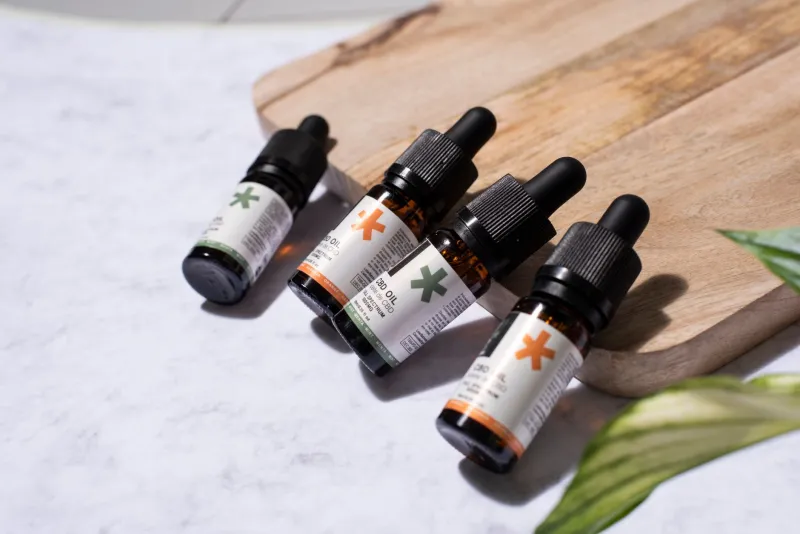
There is a particular kind of confidence that comes with a CBD product page. The bottle is often handsome, the typeface is calm, and the words do a lot of quiet work: balance, clarity, calm, reset. On a high street shelf or a website at eleven o’clock at night, that language can feel reassuring. It can also feel slippery. As a beginner, you are not being difficult by asking what a sentence actually means. You are being careful, and careful is a perfectly good place to start.
What UK advertising rules generally expect
UK advertising is not a free-for-all. The Advertising Standards Authority applies the CAP Code, which generally asks that marketing claims be truthful, substantiated and not misleading. For CBD, there is an extra layer of caution. CBD is not an authorised medicine in the UK, so advertising should not suggest that a product treats, cures or prevents a disease. Medicinal claims normally need an MHRA licence. Food supplement rules and Novel Foods authorisation also matter, depending on what is being sold.
In practice, this means a responsible seller should be able to explain what kind of product it is, why it can be sold, and what its claims are based on. That does not mean every website will be a model of clarity. It does mean you are allowed to expect clarity. If a page makes a grand health promise and then becomes vague when you ask for evidence, that mismatch is useful information.
A description is not a promise
Some statements on a CBD bottle are simple descriptions. ‘Contains 10mg of CBD per ml’ is a description. ‘Lab-tested’ is a description, though a vague one until you see the certificate. ‘Made in the UK’ is a description with a paper trail somewhere behind it.
A promise sounds different. ‘Melts away anxiety’ is a promise. ‘Cures insomnia’ is a medicinal claim and should set off alarm bells. ‘Supports everyday calm’ sits somewhere in the foggy middle. It may not be illegal wording, but it is not a measured statement either. The useful question is not only ‘Is this allowed?’ but ‘What would I need to see to believe it?’
The words that do the heavy lifting
A few phrases appear so often in CBD marketing that they start to feel like furniture. ‘Pharmaceutical-grade’ sounds impressive, but it is not a standard legal category you can easily pin down. ‘THC-free’ may mean no detectable THC, or it may mean below a permitted limit; ask which. ‘Broad spectrum’ usually suggests other cannabinoids are present, but definitions vary between sellers. ‘Organic’ should come with certification details. ‘Lab-tested’ should lead to a batch-specific certificate of analysis, not just a pretty graphic of a leaf.
None of these phrases is automatically dishonest. They are simply doing more work than they first appear to. A calm reader slows down at exactly those points.
Questions worth asking before you buy
You do not need to become a regulator to shop sensibly. A short list of questions will do.
- What is this product legally: a food supplement, a cosmetic, or something else?
- Can the seller provide a batch-specific certificate of analysis from a laboratory?
- How much CBD is in each dose, and how was that content measured?
- What does the seller mean by its main claim, and what evidence sits behind it?
- Is the product listed on the FSA Novel Food register where that applies?
- Who is behind the company, and how easily can you contact them?
- What is the returns policy if the product is not for you?
A good seller may not answer every question in a single email, but the shape of the answer matters. Clear, short replies are a better sign than dramatic ones.
Scepticism is not cynicism
It is easy to confuse the two. Cynicism says nothing can be trusted, so why bother. Scepticism says trust needs reasons, so let us look at the reasons. The first closes the door. The second keeps it open, just with the chain on.
That distinction fits neatly with mindful self-care. A mindful routine is not only a candle and a quiet ten minutes. It is also noticing when language is trying to hurry you past your own judgement. A bold claim can create a little rush of hope, and hope is not a bad thing. But hope deserves better than a slogan. It deserves a seller who can answer a plain question plainly.
A small shelf test
Before you buy, try this. Read the first three claims on the page and rewrite each one as a question. ‘Supports calm’ becomes ‘What does calm mean here, and how would I know?’ ‘Premium quality’ becomes ‘What makes it premium, and who checked?’ ‘Trusted by thousands’ becomes ‘Trusted by whom, and where can I read about it?’
If the answers are easy to find, good. If they are buried under three pop-ups and a countdown timer, that is worth noticing too. KannaWell UK is built for curious beginners, not for people who already know every acronym. A little calm scepticism is not a rejection of CBD. It is simply a way of making room for better questions, and better questions tend to make for a better first step.