The One-Bottle Rule: A Calm Beginner’s Pact Against CBD Clutter

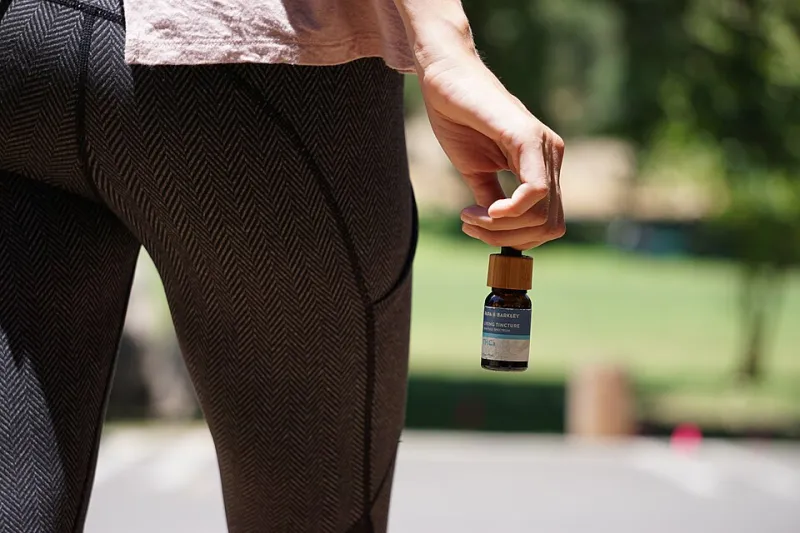
Photo: single amber CBD oil bottle on wooden kitchen shelf with soft daylight, minimal UK home, via 1.bp.blogspot.com
There is a particular kind of cupboard clutter that grows quietly in British homes. It starts with good intentions: a bottle of CBD oil bought on a rainy Tuesday, a spray that sounded simpler, a stronger strength because it was on offer, and perhaps a little tub of balm that seemed like a nice idea at the time. None of it is terrible. It is just that none of it gets a fair hearing.
The beginner’s temptation is to stock up before you have learned anything. The calmer approach is almost embarrassingly simple: one bottle at a time. Choose a single product, use it consistently for a short while, check in with yourself, and only then decide whether to finish it, replace it or try something different. Think of it as a pledge, but not the kind that requires a ceremony. More a note to self, stuck to the kitchen shelf.
Why one bottle is plenty to begin with
CBD products vary in form, strength, carrier oil, flavour and instructions. That is a lot of moving parts. If you start with three bottles and a spray, you cannot easily tell what you are responding to, what you like, or what fits your day. You are not running a taste test. You are trying to build a routine.
A single product keeps the variables small. It also makes the maths easier. You can see how long a bottle lasts, what it costs per day, whether the dropper is fiddly before breakfast, and whether you actually remember to use it. Those small practical details matter more than the promise on the front label.
In the UK, CBD is sold in a crowded market with plenty of tempting language. A calm beginner can ignore most of it for now. You do not need the strongest, the fanciest or the most complicated. You need one product with a clear label, sensible instructions and a price you are comfortable with. CBD is not a medicine and is not intended to treat or cure anything. If you take medication, are pregnant or breastfeeding, or are unsure whether CBD is right for you, speak to a pharmacist or GP first.
The pledge, in plain English
It can be written in a sentence: I will choose one CBD product, use it as directed for two weeks, make a short note of what I notice, and not buy another until this one is finished or I have a clear reason to stop.
That is it. No spreadsheet. No shelf of half-used bottles. No guilt if you miss a day. The pledge is not a test of discipline. It is a way of giving one thing a fair go before adding more noise.
You might keep the note on your phone or on a scrap of paper by the kettle. The wording can be as plain as you like. The point is to make the decision once, while you are calm, rather than in the aisle of a shop or at 11pm with a discount code burning a hole in your pocket.
Choosing the one without overthinking it
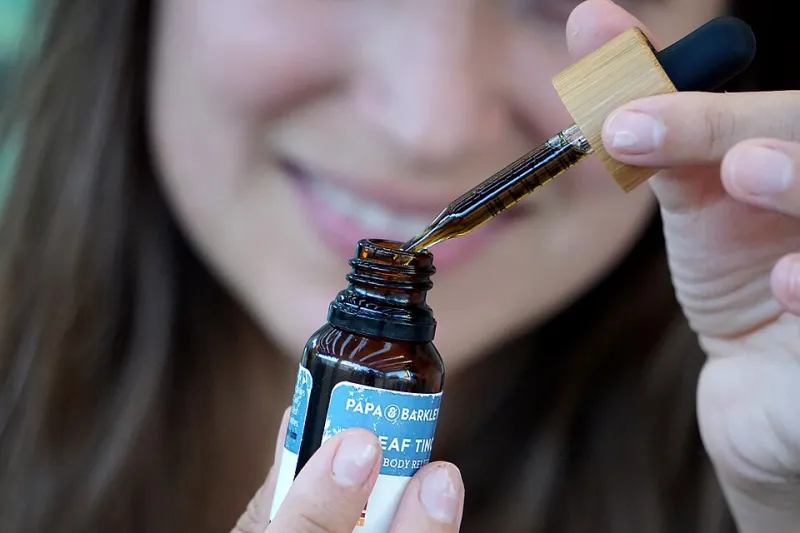
Start with the form you are most likely to use. For many beginners, that is a simple oil with a dropper, because it is easy to measure and easy to add to a routine. A spray or capsule might suit you better if a dropper feels fussy. There is no prize for choosing the most complicated option.
Read the label properly. Look for the amount of CBD in the bottle, the amount per drop or serving, the ingredients, the batch information and the suggested use. Check that the product is from a reputable UK retailer and that the packaging is clear about what it contains. If the label is vague, that is a useful clue.
Ignore the urge to buy the strongest strength just because it sounds more serious. A lower strength you use consistently is more useful to a beginner than a high strength that sits at the back of the cupboard. Flavour matters too. If you dislike the taste, you will find excuses not to use it. That is not a moral failing; it is information.
The two-week check-in
The two-week mark is not a deadline for dramatic change. It is simply a sensible point to pause and ask three questions. Did I use it consistently? Did the routine fit my day? Did I notice anything worth noting, good or not so good?
Keep the answers short. A line or two is enough. You might notice that you remembered it more easily after breakfast than before bed, or that the dropper was awkward on work mornings, or that you liked having a small pause in the afternoon. You might notice nothing much at all. That is allowed.
CBD is not a light switch. Some people describe subtle changes in how they feel; others notice very little. A fair trial is about gathering your own experience, not collecting symptoms like stamps. If you experience any unwanted effects, stop and speak to a healthcare professional. If you simply missed several days, you can extend the trial rather than declaring it a failure. The pledge is meant to be calm, not rigid.
What to notice without turning it into homework
There is a difference between paying attention and turning your life into a clinical audit. You do not need to rate your mood out of ten every hour. You do not need to keep a colour-coded chart. A tiny note is enough: when you used it, how easy it was, whether you would reach for it again.
Practical details are often the most revealing. Did the bottle last as long as you expected? Was the price per day comfortable? Did the taste make you wince? Did you look forward to the routine or treat it as a chore? These are the things that decide whether a product earns a place in your home.
It also helps to separate the product from the ritual. A few drops taken while the kettle boils is a different experience from a few drops swallowed in a rush at the front door. If the routine feels pleasant, you are more likely to keep it going. If it feels like homework, simplify it.
When finishing one bottle actually makes sense
A bottle is a useful natural boundary. If you are using the product regularly and it is nearly empty, that is a sensible moment to decide what next. If it suits you, buy the same one again. If it does not, change one thing at a time rather than ordering three alternatives in a panic.
If you actively dislike a product, you do not have to force it down to the last drop. The pledge is not a punishment. Stop, note why, and pass it on only if that is appropriate and legal. Do not gift open CBD products to someone else as though they were a spare jar of jam. If you are simply bored or tempted by a new label, that is not a reason to abandon a product that is working well.
The aim is not to finish every bottle out of stubbornness. It is to avoid buying the next one before you have learned something from the last.
A small cupboard audit
If you already have a collection, gather it in one place and look at it honestly. Check dates, open bottles and duplicates. Keep one product in use at a time where you can. Store it somewhere cool and dark, away from the steam of the kettle and the heat of the hob. A British kitchen cupboard can be a surprisingly harsh environment for anything you want to keep in good condition.
Then make the pledge again, in whatever words suit you. One bottle. One fair trial. One calm decision at the end. It is a small rule, but it clears a surprising amount of space, both on the shelf and in your head.