Glass, Plastic, Card: Untangling Your CBD Packaging on Bin Day
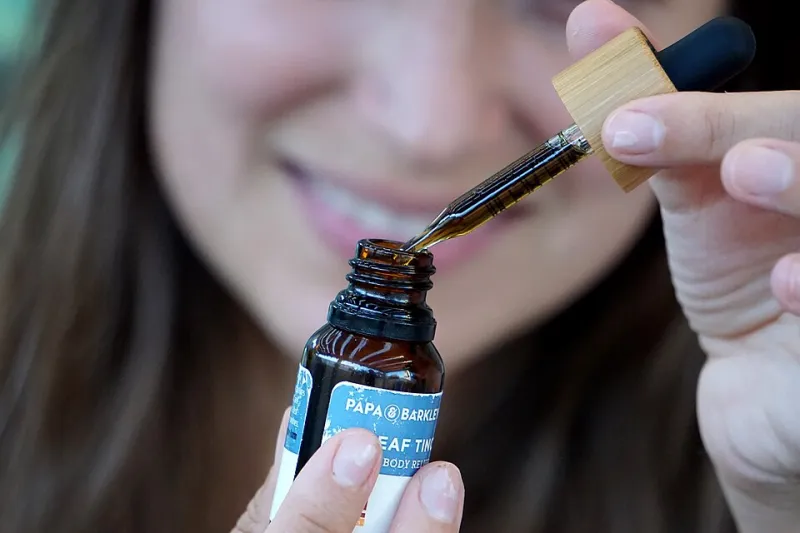
Photo: empty CBD oil glass dropper bottles cardboard packaging and recycling bin in a UK kitchen, via i5.walmartimages.com
CBD arrives in small parcels with a surprising amount of material. A single bottle can involve glass, a plastic collar, a rubber teat, a cardboard box and a leaflet, and none of it necessarily belongs in the same bin. The result is a very British form of confusion: standing at the kerbside on a dark Tuesday, holding a dropper bottle and wondering which part goes where.
This is not a moral test. It is a labelling and local-rules puzzle. The aim is to make a decent guess, check when you can, and stop letting empties pile up in a cupboard because you are not sure.
Why CBD packaging is a puzzle
Most household recycling systems are built for simple shapes: bottles, jars, cans, paper. CBD packaging is small, mixed and often designed to protect a fragile product rather than to be taken apart. A dropper bottle may be recyclable glass, but the rubber teat and plastic collar are not glass. A capsule blister pack may be plastic and foil fused together. A balm tin may be steel, aluminium or plastic with a label that will not soak off.
The rules also differ by council. What your neighbour puts in the blue bin may not be what your council accepts. That is frustrating, but it is also the reason a quick check beats a confident guess.
The usual suspects in a CBD parcel
Start by separating the parcel into broad groups.
- Cardboard outer box and paper leaflets. Usually kerbside paper and card, unless they are heavily laminated or foil-blocked. Flatten boxes to save space.
- Glass bottles and jars. Often accepted in kerbside glass, but check whether your council wants lids on or off, and whether it takes glass by colour.
- Plastic dropper collars and caps. Often too small for kerbside sorting. Some councils accept them in mixed plastics; many do not.
- Rubber dropper teats. Not usually kerbside recyclable. Check for a local pharmacy or supermarket collection point, or place in general waste if there is no route.
- Blister packs for capsules. Often not kerbside recyclable because plastic and foil are fused. Some supermarkets and pharmacies collect them; otherwise general waste.
- Balm tins. Metal tins may be accepted with cans if clean; plastic pots depend on the council and the polymer.
- Pouches and flexible refill bags. Usually not kerbside. Some supermarkets have soft-plastic collection points.
What kerbside collections tend to take
Across the UK, kerbside collections vary, but a few patterns are common. Clean glass jars and bottles are often accepted. Cardboard is usually accepted. Rigid plastic bottles are often accepted, but small caps and pump tops may need to go in general waste. Mixed-material items are the tricky ones.
The safest routine is to rinse what you can, remove what obviously is not the same material, and check your council's A-Z before bin day. Do not put loose rubber teats or tiny plastic collars into the glass bin in the hope they will be sorted out. They can contaminate a load or jam machinery.
A simple empties routine
Keep a small cardboard box under the sink or in a cupboard. When a CBD bottle is finished, rinse it, let it dry, and put it in the box. Keep a second small bag for soft plastics and blister packs if your local supermarket collects them. Once a month, sort the box against your council's rules and take the soft plastics to the collection point on your next shop.
This is not about being perfect. It is about making the decision once, in daylight, rather than every time you finish a bottle.
When in doubt, check your council
Your council's website is the authority for your kerbside bin. Search for the specific item, not the general category. 'Glass dropper bottle' may have a different answer from 'glass jar'. 'Blister pack' may have a different answer from 'plastic packaging'. If the A-Z is unclear, ring the council or use their contact form. A two-minute check is better than a contaminated bin.
Small wins, not perfect ones
CBD packaging is not designed for easy recycling, and that is not entirely your fault. Buy from brands that use simpler materials where you can, reuse a tin for hairpins or a jar for seeds, and accept that some parts will go to general waste. The calm goal is not a zero-waste shelf. It is a bin day you understand.