From Dropper to Capsule: Matching a CBD Format to Your Actual Day
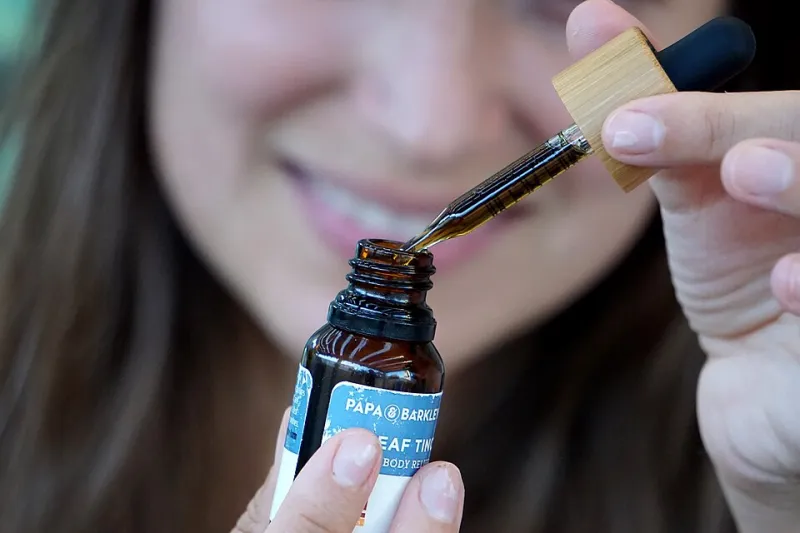
Photo: elsaolofsson, CC BY 2.0, via Wikimedia Commons
Most people do not arrive at CBD with a favourite format. They arrive with a question, a browse, and a shelf of bottles that all look faintly medicinal. The good news is that the differences between oils, capsules, balms and drinks are less about ranking and more about fit. Think of it as choosing a pair of shoes for a British day out: the right answer depends on the walk, not on a league table.
Start with the shape of your day
Before you compare milligrams, compare minutes. Do you have a settled morning routine, or are you out of the door with toast in hand? Are you happy with something you can measure in a dropper, or would you rather swallow a capsule and forget about it? Do you want a product for a specific patch of skin, or something that fits into a cup of tea? Format is often a routine question wearing a product label.
UK shelves have become more varied, but the main families remain fairly easy to spot. Here is a calm map, not a shopping list.
Oils and drops: the flexible, fiddly classic
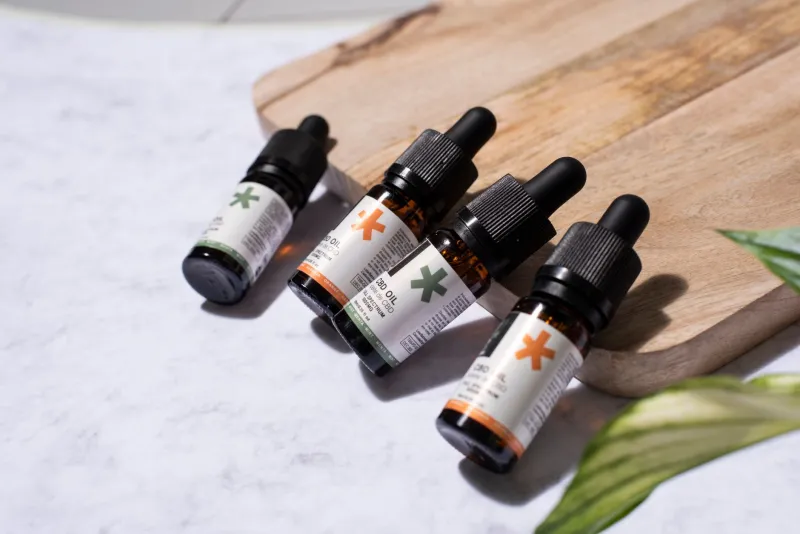
A CBD oil usually comes in a small glass bottle with a dropper. You place the drops under your tongue, hold them there for a short spell, then swallow. Some people prefer to add them to food or drink, though that changes the experience and, often, the taste.
What beginners should check:
- The amount of CBD per bottle and per drop. A bottle that says 1,000mg tells you very little until you know how many drops are in it.
- The carrier oil. Hemp seed oil is not the same as CBD; it is the base, not the active ingredient.
- The batch or lot number, and whether the brand offers a certificate of analysis you can actually find.
- The dropper markings. A bottle with clear graduations is easier to live with than one that asks you to guess.
The appeal is flexibility: you can start small and adjust. The drawback is fiddliness. If you dislike measuring, a dropper may become a small daily negotiation.
Capsules: the same measure, minus the theatre
CBD capsules are swallowed like any other supplement. They remove the dropper, the taste and the guesswork, which is why they suit people who want CBD to be a background habit rather than a ritual.
Check the label for CBD content per capsule, the full ingredient list, and any advice about taking it with food. Capsules are not automatically 'stronger' or 'weaker' than oils; they are a different delivery format. The calm comparison is not oil versus capsule, but which one you will actually take on a wet Tuesday.
Balms and topicals: for skin, not for schedules
Balms, salves and creams are applied to the skin. They are not a substitute for an oil or capsule, and they should not be treated as one. A balm is a local product with a local job: it belongs in a bag, on a bedside table or near the running shoes.
Look for clear labelling: CBD content, other ingredients, and a best-before or period-after-opening symbol. If your skin is sensitive, patch-test first. And if a balm promises to fix something that a cream from the pharmacy should be handling, treat that as a prompt to ask a pharmacist, not to buy more.
Drinks and teas: pleasant, but read twice
CBD drinks and teas are the most sociable corner of the shelf. They fit into a lunch break or an evening wind-down, and they can make a first step feel less clinical. But they vary enormously in strength and serving size. A bottle may contain more than one serving; a tea bag may contain a small amount that is hard to compare with a drop.
Read the label for total CBD per container, not just per 100ml, and check whether the product is a food supplement or a drink. If you are cutting down on caffeine or watching sugar, the CBD is only one part of the label.
A label checklist that works across formats
Whatever the format, the same quiet questions apply. What is the CBD content, and per what? What else is in it? Is there a batch number? Is there a clear contact for the seller? Does the brand explain how to use it without making medical claims?
In the UK, CBD products are regulated as novel foods, and reputable sellers should be able to show they are following the rules. You do not need to become an expert. You just need to notice whether the label is calm and specific, or loud and vague.
Match, don't rank
There is no universal best format. There is only the format that fits your routine, your budget and your comfort with measuring. If you want flexibility, an oil may suit. If you want simplicity, a capsule may. If you want something for a specific patch of skin, a balm makes sense. If you want a gentle social ritual, a drink or tea might be the doorway.
Start with one format, one bottle, one realistic week. A calm comparison is not about finding the winner. It is about finding the one you will still be happy to use when the novelty has worn off.